Warped Threads: The Surreal World of Faig Ahmed

When carpets melt, pixels weave and tradition rebels: Faig Ahmed’s art rewrites the story of craft and culture.

The Artist • The Vision

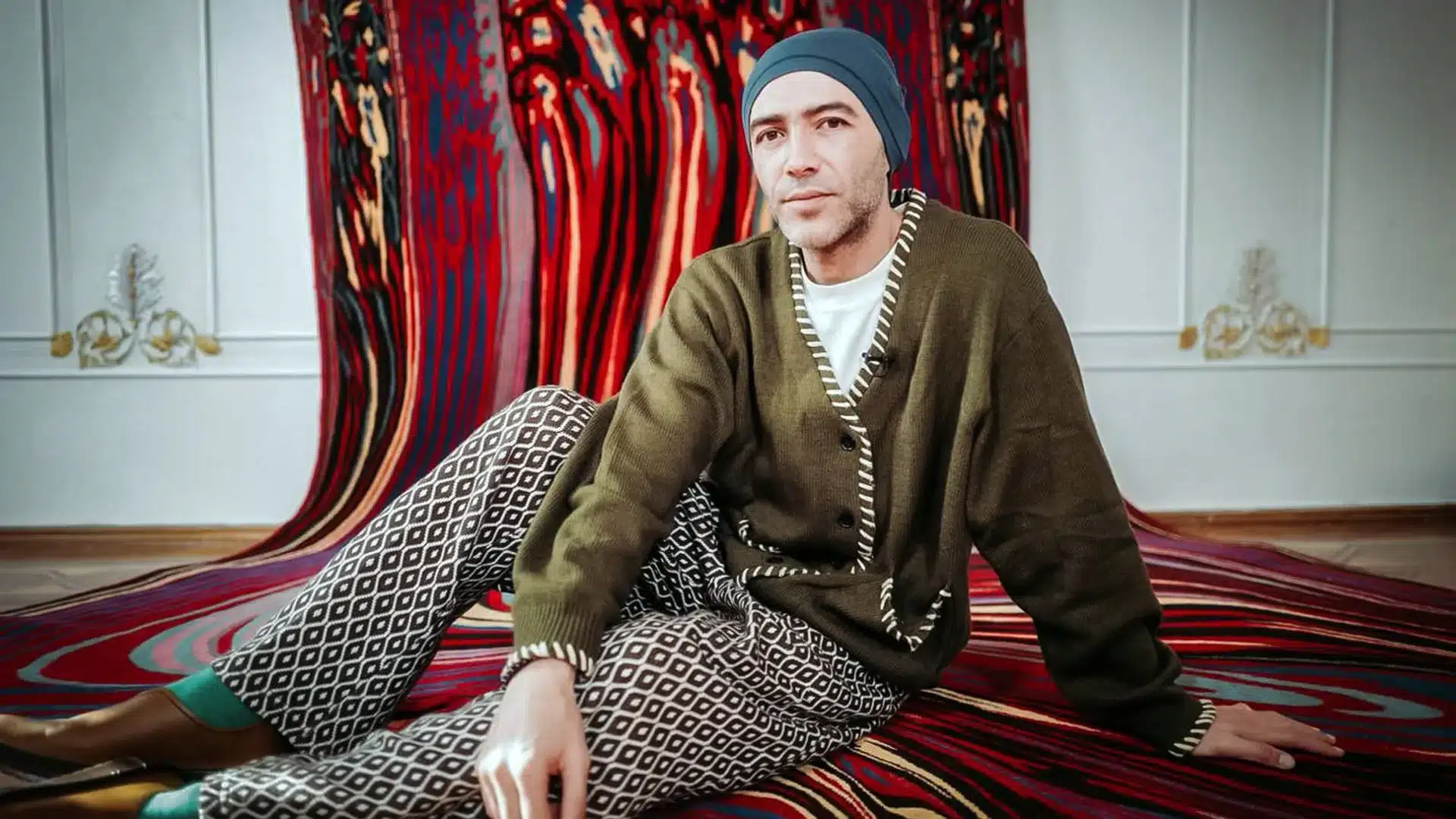
Faig Ahmed is an Azerbaijani contemporary visual artist (born 1982 in Sumqayıt, Azerbaijan) who has gained international acclaim for his surreal re-imaginings of traditional oriental rugs and textiles.

Graduating from the Sculpture Faculty at the Azerbaijan State Academy of Fine Arts in 2004, Ahmed merges craft and concept in a way few artists do: he takes the rich heritage of carpet-weaving and intersects it with digital aesthetics, optical illusions, and sculptural forms.

What Makes His Work Unique

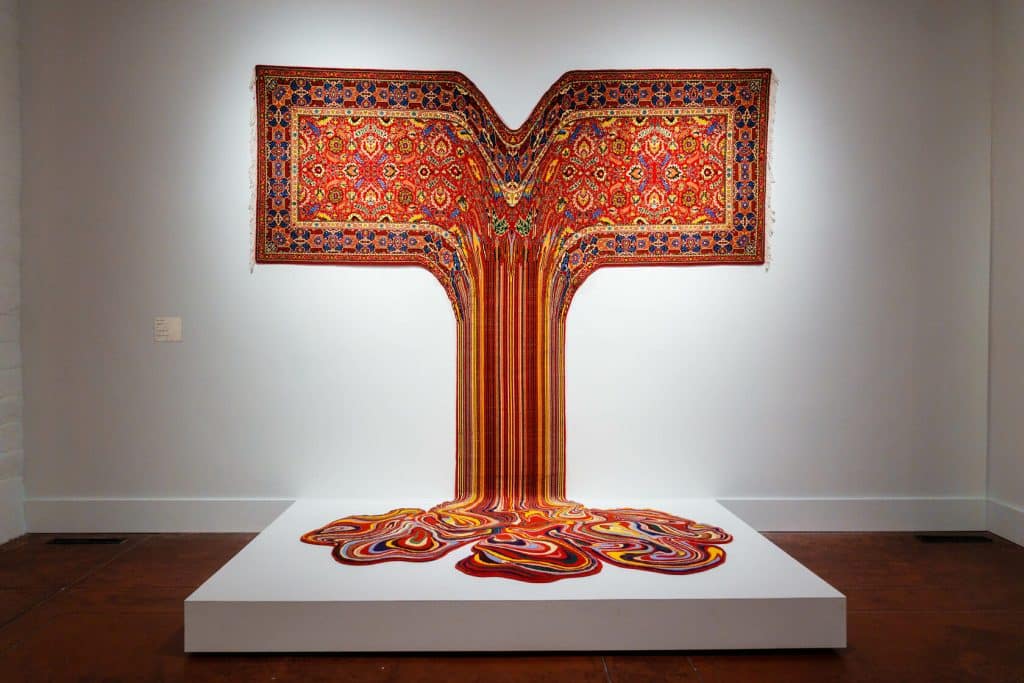
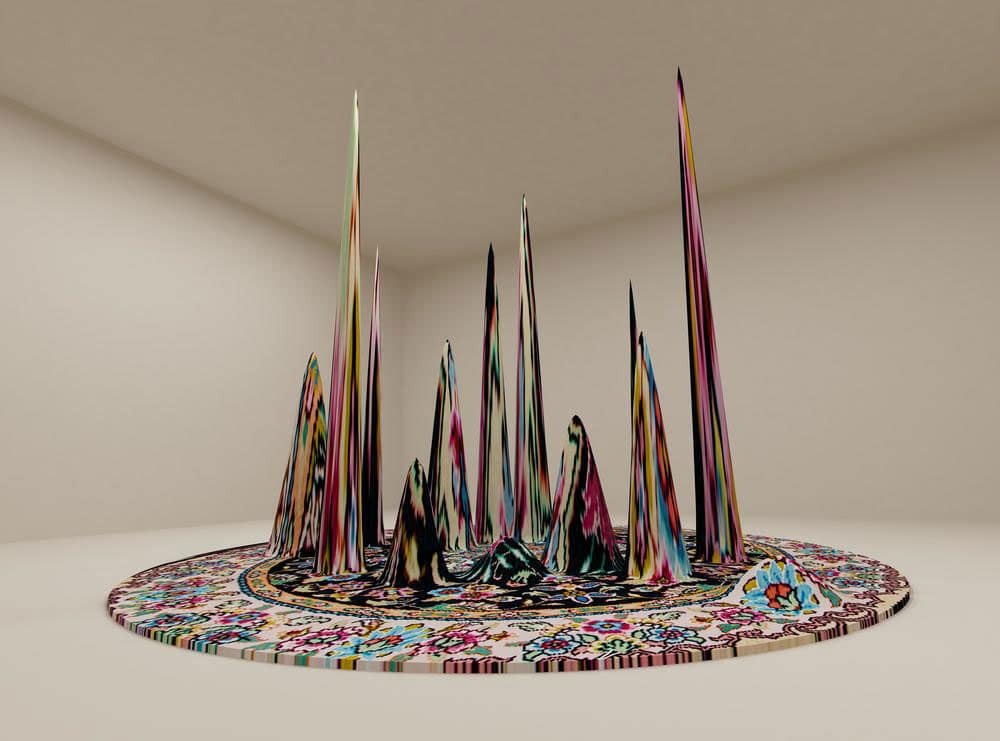
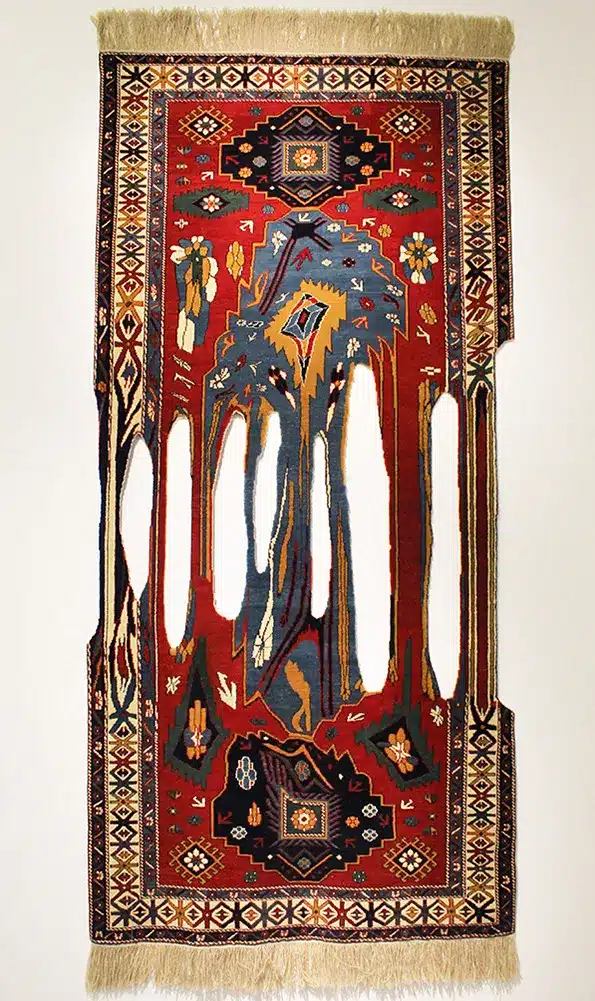
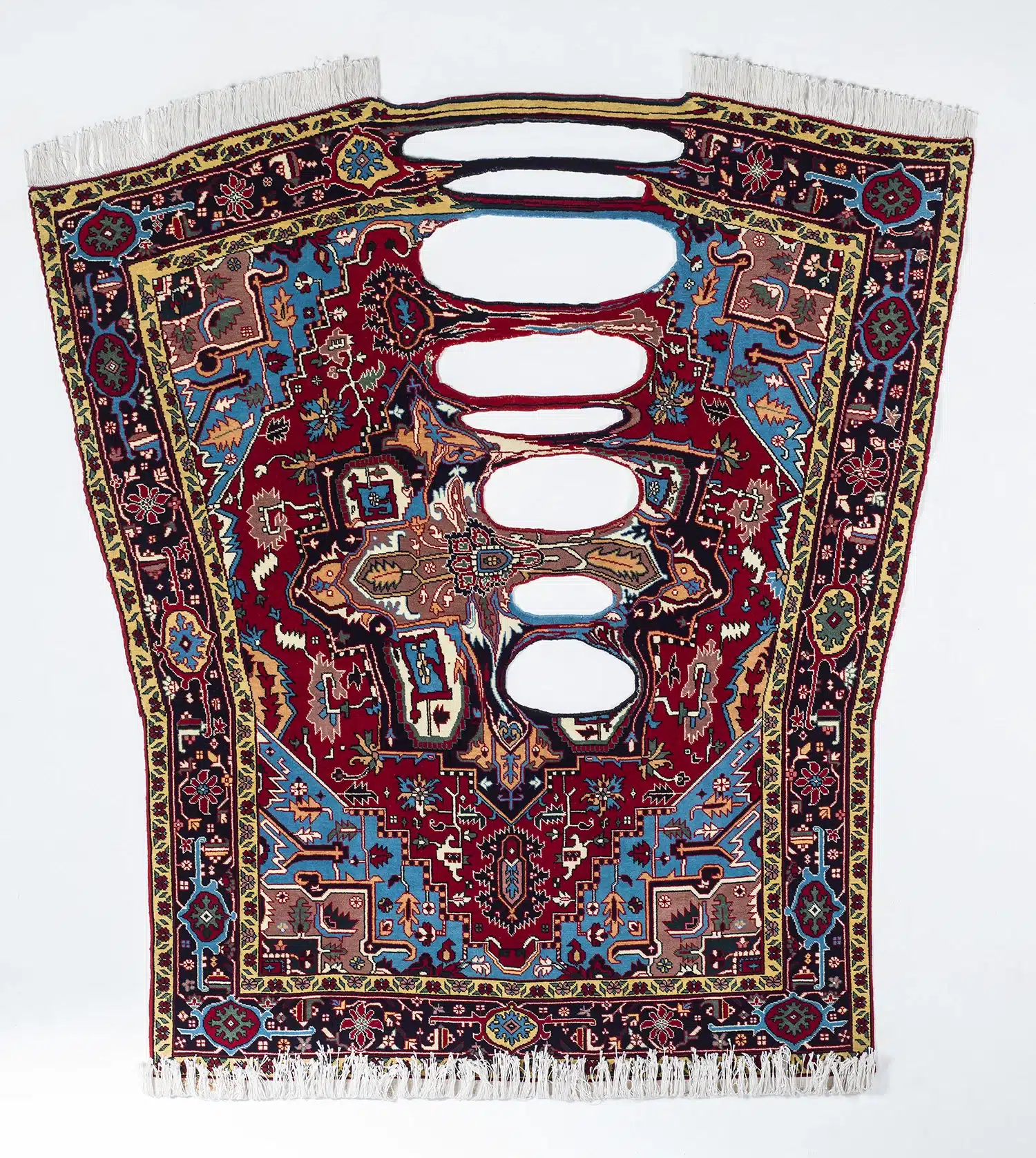
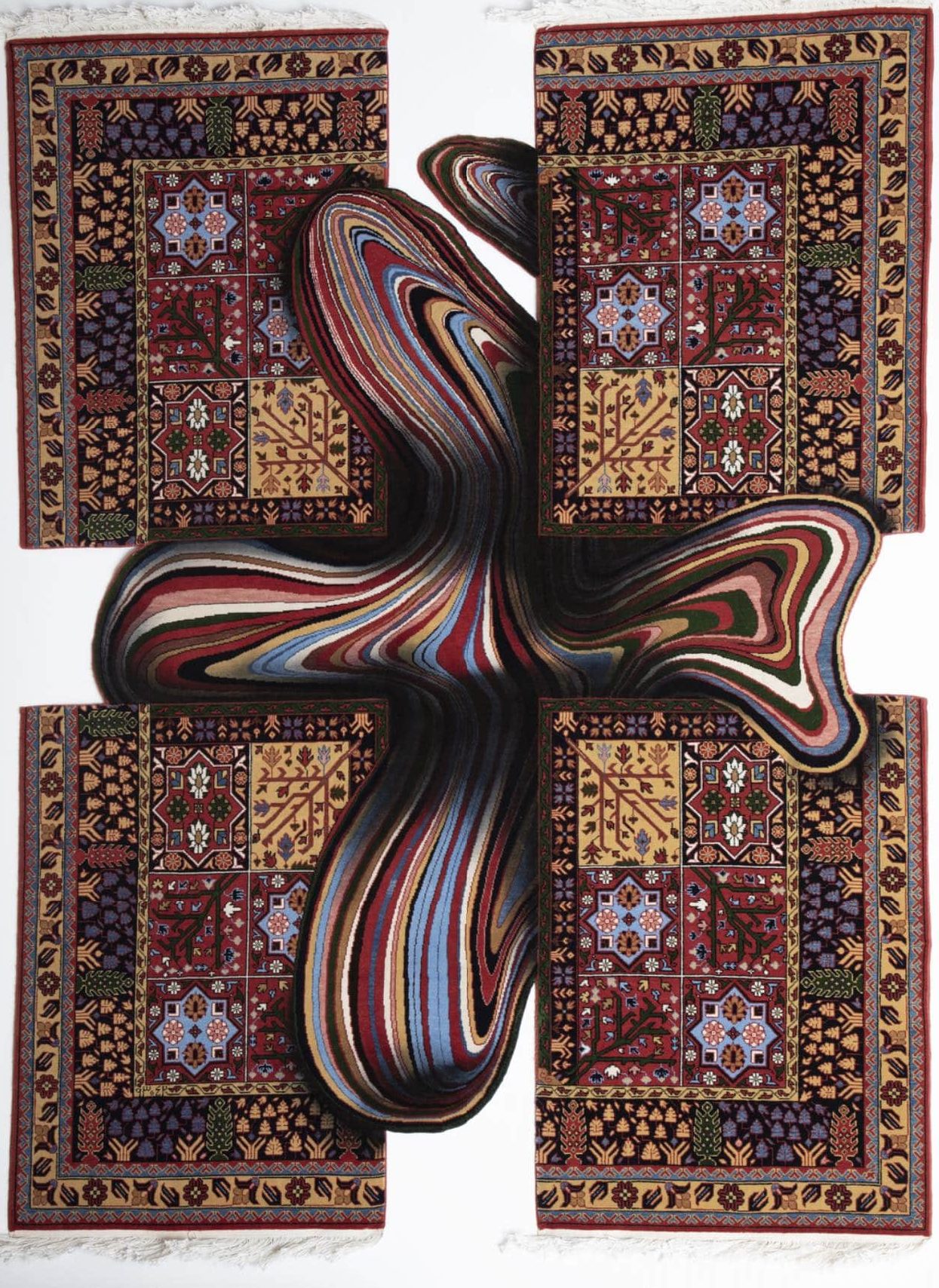
  • Tradition meets disruptionAhmed begins with a foundation in traditional Azerbaijani rugs, historically crafted, woven by hand, deeply linked to cultural identity. And then he distorts them: pixels, melting forms, drips, unexpected 3-D bulges.

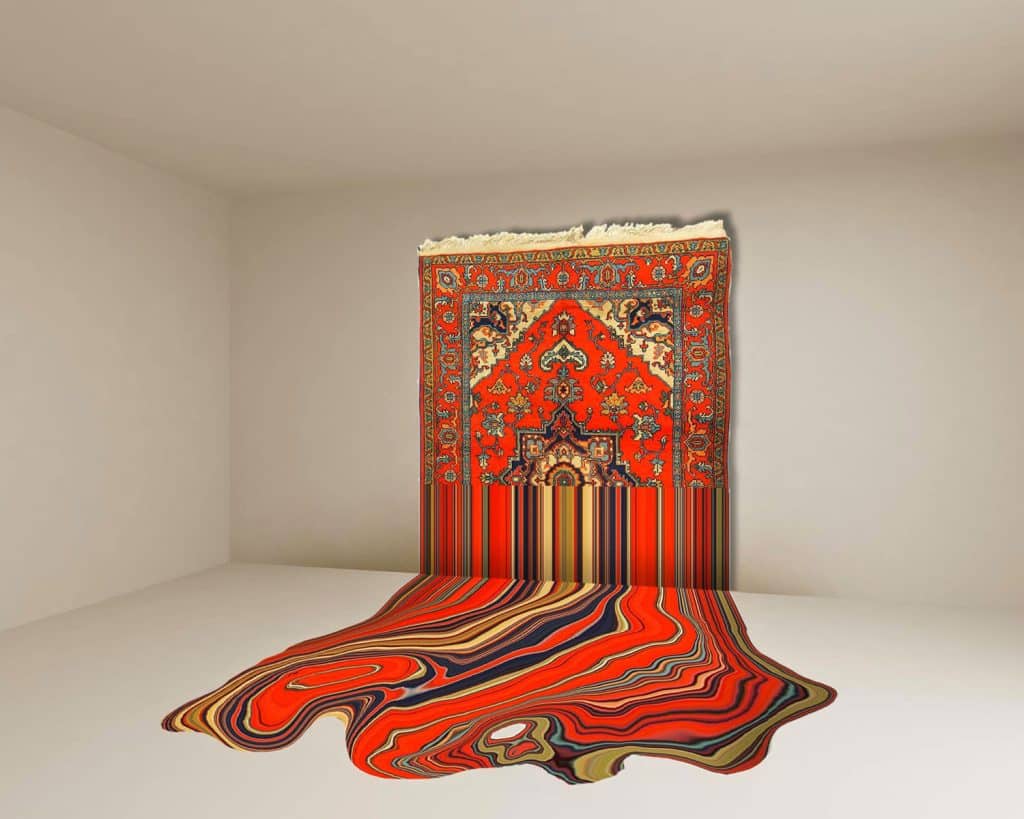
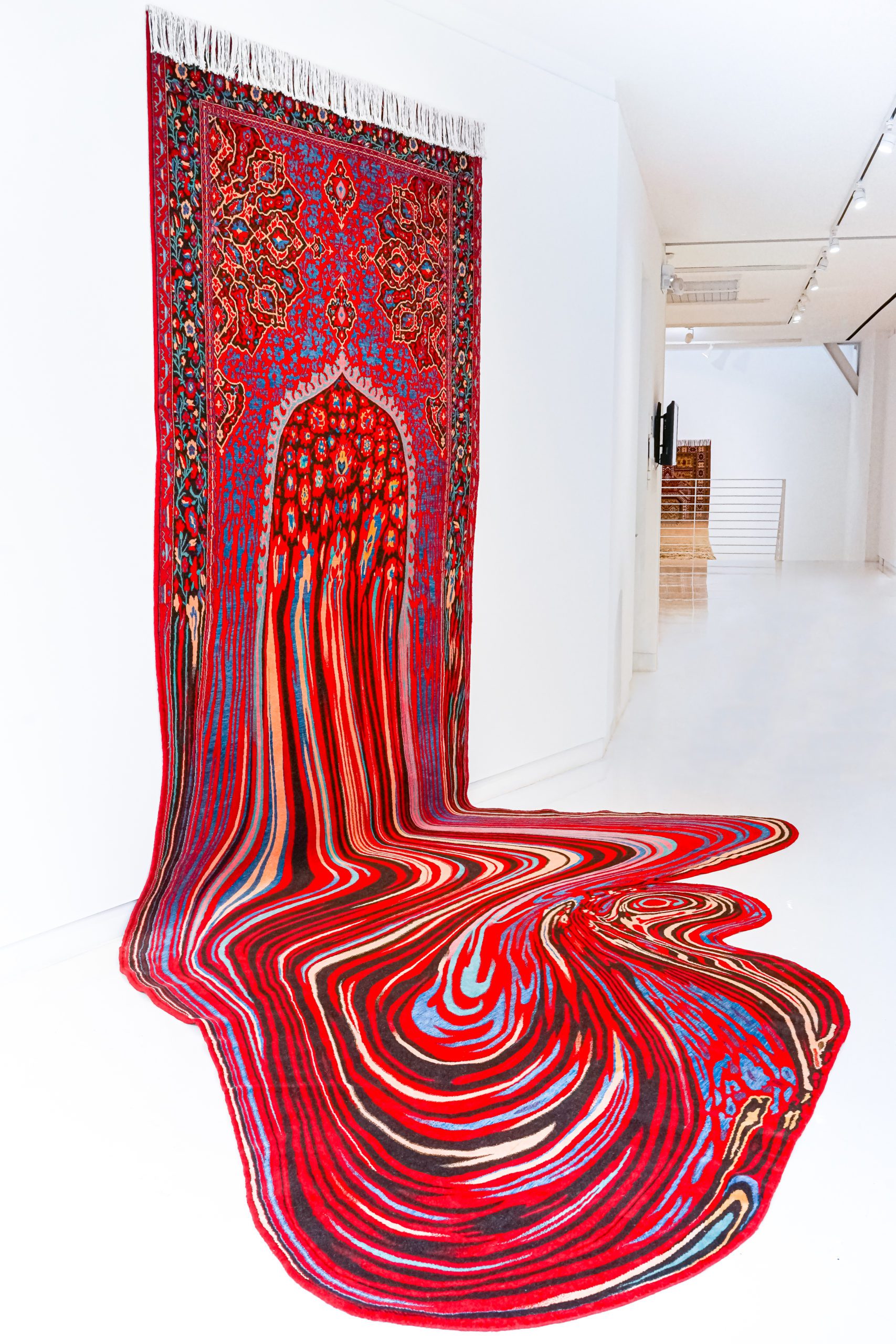
  • Material and meaning – Though rooted in craft, his works often look like glitch art, or textiles melting into space. For example, in Oiling (2012), a rug appears to dissolve “into a wavy pattern of oil on water.”

  • Global resonanceAhmed’s art has been exhibited worldwide: from the Venice Biennale (2007) to venues like the Victoria and Albert Museum (London) and the Azerbaijan National Carpet Museum (Baku).

  • Questioning perceptionHis carpets aren’t just floor coverings or decorative pieces: they’re visual puzzles that ask us how we see, how craft carries meaning, and how heritage can change in a digital age.

Signature Works & Themes

  • Melting Rugs Series – Powerful examples where carpets seem to puddle onto the floor, as if gravity or time has softened their structure.

  • Pixelation & Glitches – Some works introduce pixel-like distortions into rug patterns, hinting at digital culture meeting ancient craft.

  • Spatial Installations – Beyond singular rugs, Ahmed has created room-sized installations where threads extend beyond frames, carpets climb walls, or viewer presence becomes part of the artwork.

  • Cultural Memory & Identity – By using the carpet as both medium and metaphor, Ahmed engages with Azerbaijani craft heritage, shifting borders, and the way cultural symbols evolve.

Why It Matters

In a world that often treats tradition as static, Ahmed’s work suggests heritage is dynamic: capable of remixing, re-thinking, and bending form.

He uses craft not as a museum piece, but as a living canvas. His carpets are both aesthetic objects and cultural commentary. They invite us to step on something familiar and encounter surprise instead.

The Impact on Contemporary Art & Design

For families, design lovers and style-conscious audiences, Ahmed’s works signal a few interesting takeaways:

  • Textiles as art – What used to live on the floor or wall becomes three-dimensional sculpture. Interiors and art blur.

  • Craft with edge – The fusion of traditional techniques with contemporary digital thinking reflects a wider move in design: honouring roots while embracing innovation.

  • Visual storytelling – His pieces carry narratives of migration, change, identity and memory, all through form, colour, and distortion.

Final Thoughts

Faig Ahmed reminds us that the things we thought we knew: rugs, patterns, craft, can be reframed, re-layered, made strange, made new.

For anyone interested in design, interiors, culture or art, his work opens a door: perhaps into a world where past and future braid together.

SHARE: