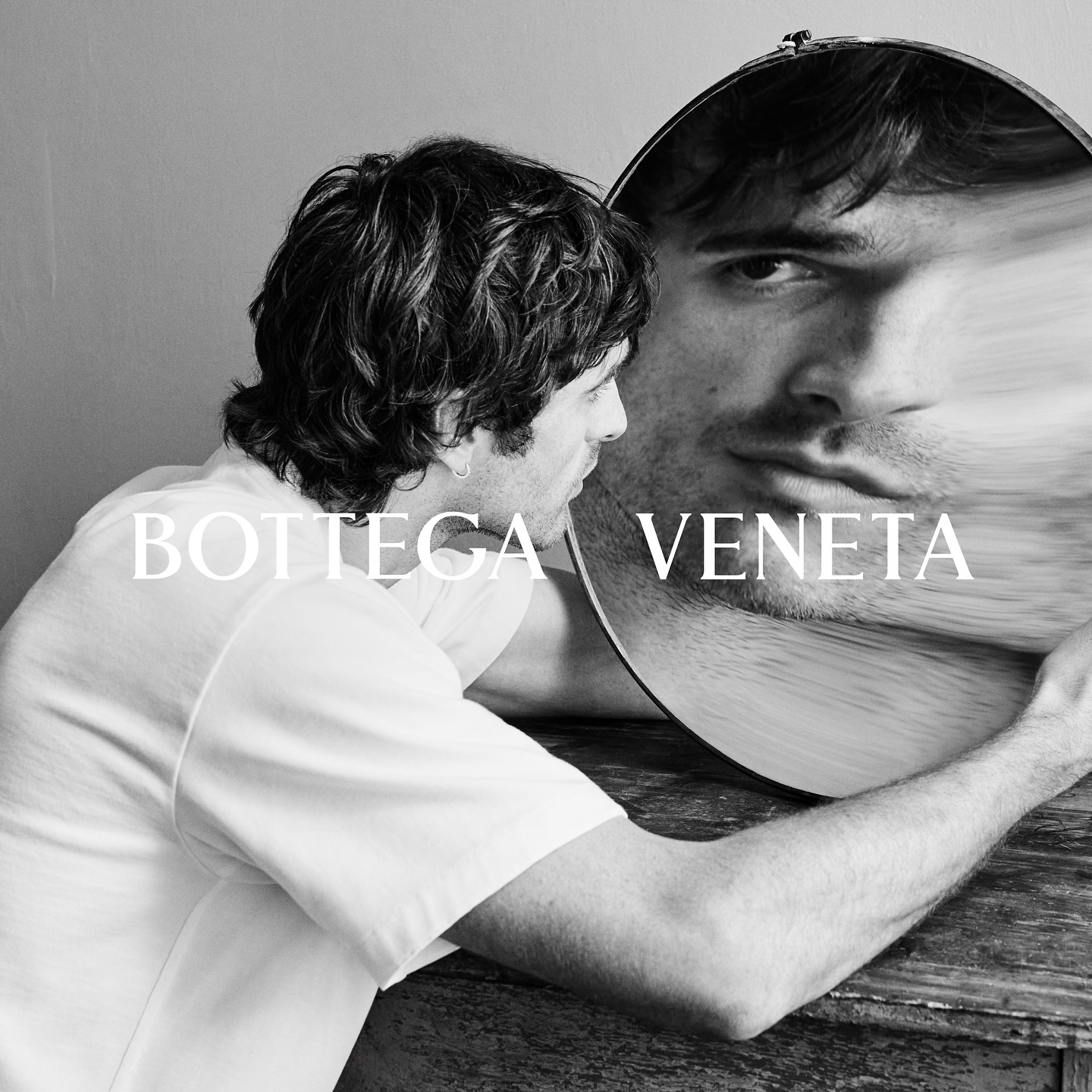
Bottega Veneta asks: What are dreams made of? And the answer is.. Jacob Elordi.
A New Chapter..
In May 2024, Bottega Veneta officially appointed Australian actor Jacob Elordi as its brand ambassador: the latest in a lineage of cultural figures hand-picked by the Italian house..
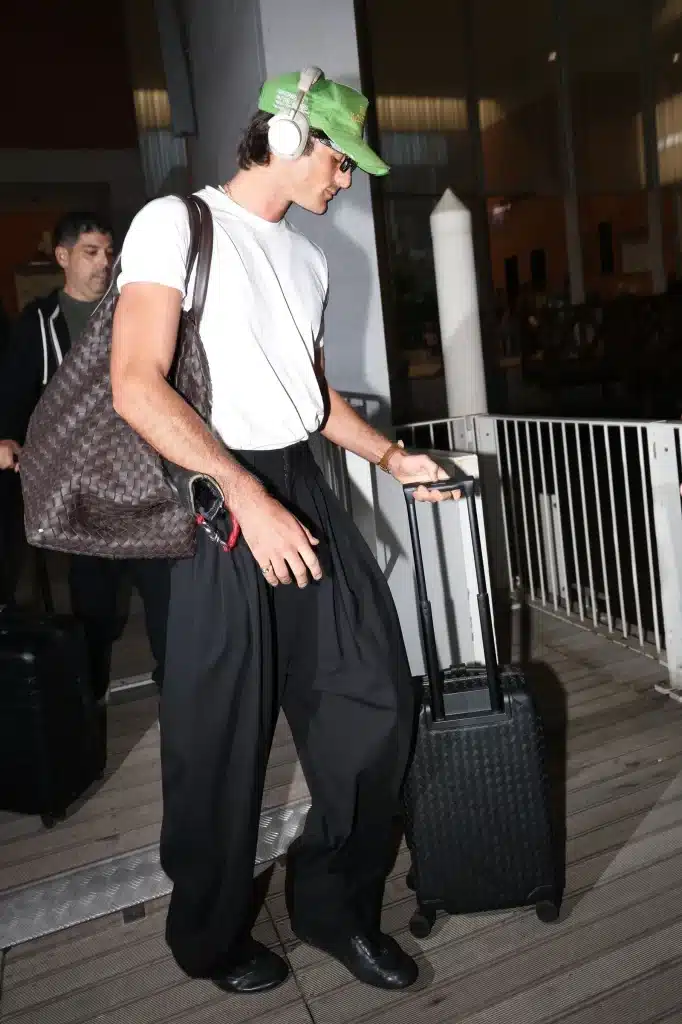
Yet what felt like a sudden leap was in fact months in the making: Elordi’s wardrobe, his public appearances and his affinity with the brand’s signature intrecciato bags had quietly aligned long before the formal announcement.
Under the creative direction of Matthieu Blazy (who helmed Bottega prior to the arrival of Louise Trotter in 2024), Elordi became more than a face: he became a presence, a style reference, and a living embodiment of the brand’s quiet luxury ethos.
The Campaign: “What Are Dreams?”
In November 2025, the collaboration deepened with the launch of “What Are Dreams?”, a campaign that blends still photography and short-film, shot entirely in black and white at the home of renowned photographer Duane Michals in New York.
Elordi appears in a series of surreal, enigmatic tableaux orchestrated by Michals, who draws from Surrealist traditions (echoing Giorgio de Chirico and René Magritte) and invites us into the realm of unconscious imagery. He even recites Michals’ 2001 poem “What Are Dreams,”adding a layer of poetic mystique to the fashion narrative.
Thus the question isn’t just “Who is the face ofBottega?” but “What is the mood of Bottega now?”
The answer: a dream-state, ephemeral yet grounded in craft, signalled by Elordi’s quiet theatrics and the brand’s layered heritage.
Cultural resonance:Elordi has emerged as one of his generation’s most visible actors, with roles in Euphoria, Saltburn and more, making him a pop-style figure with global reach.
Style synergy: He’s well documented as a “Bottega boy”, frequently appearing in the brand’s bags, tailoring and influencing men’s luxury style through his off-duty moments captured by paparazzi.
Narrative alignment:Bottega’s aesthetic of “When Your Own Initials Are Enough” and discreet craftsmanship resonates with Elordi’s more organic, modern, and un-over-styled profile.
The partnership brings together heritage and youth, craft and immediacy.
What to Expect from the Future
With the campaign’s cinematic art film and photographic series, Bottega signals more than clothes, it signals a mood: the twilight between awareness and sleep, between memory and possibility.
Elordi isn’t just wearing the brand; he’s wearing the idea of the brand in transition.
As Trotter’s tenure as creative director unfolds, and as Bottega continues to explore art, fashion and culture in tandem, the Elordiera stands as a marker: subtle, intimate, but fully made for the modern moment.
We use cookies to ensure that we give you the best experience on our website. If you continue to use this site we will assume that you are happy with it.