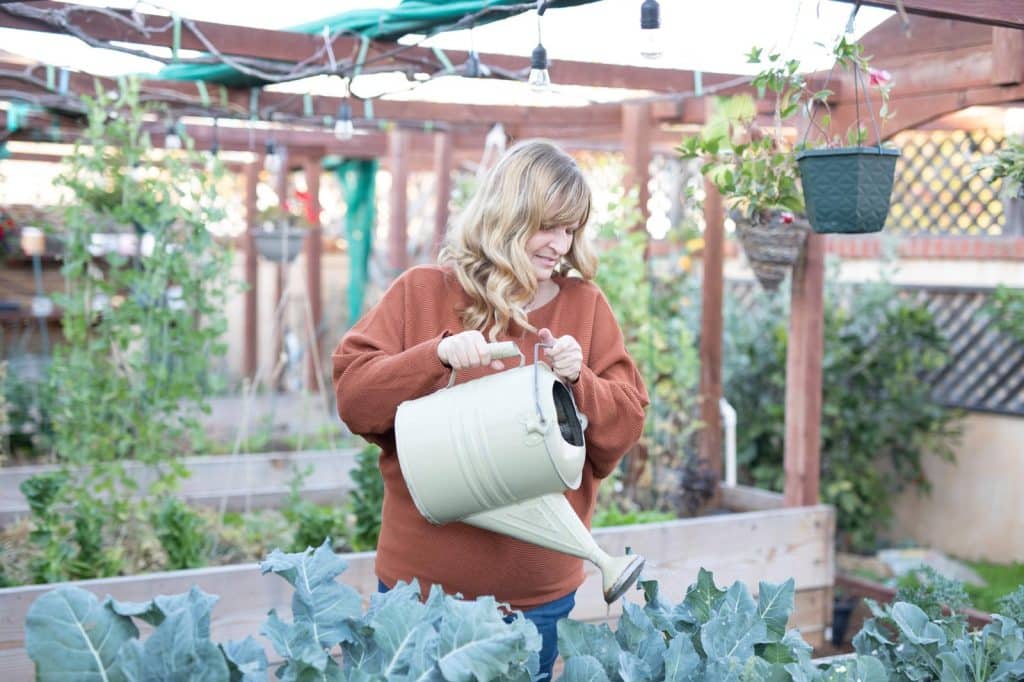
She gave us some tips on how we can do the same.
Climate change is a big problem, and we should all do something to help.
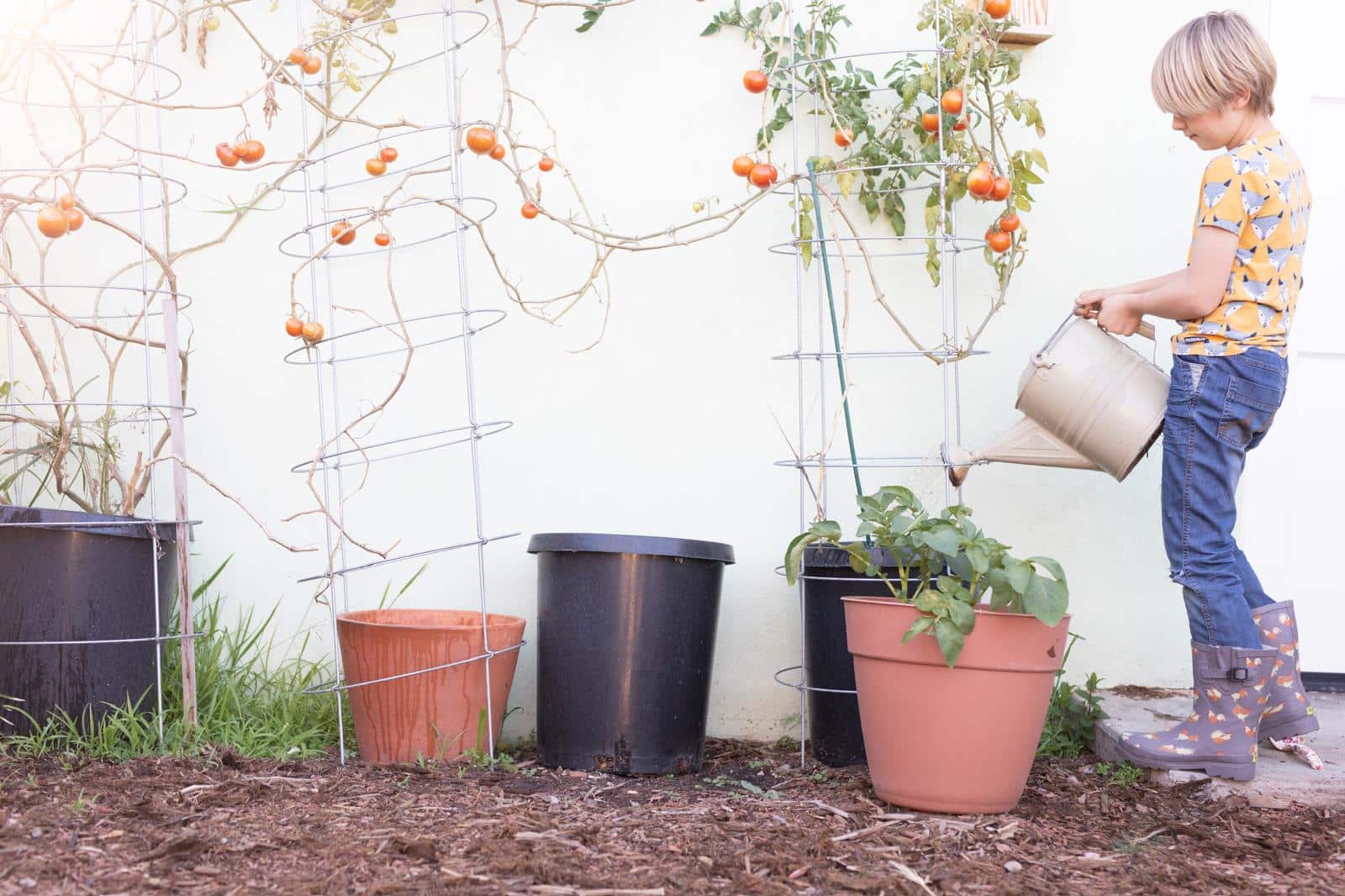
Sometimes even the smallest change is a step in the right direction. The Zero Waste Family is the project of Fredrika Syren and James, both 53, and their children Isabella, 16, Noah, 12, and Liam, 11.
They started small, but now live a life where waste and plastic are kept to a minimum.
This journey started with Fredrika, the cool mum behind the project, who is also a public speaker and author of the book “A Practical Guide to Zero Waste for Families”.
She grew up in Sweden in a family that loved nature and believed that money should be spent on experiences, not “stuff”.
This was the starting point for a career focused on the planet.
Fredrika has now been an environment writer for over 20 years – things really took off when she became a mum, and the zero-waste lifestyle became normal for this family of five.
says Fredrika.
The first step was to change the way they shopped as a family – they started buying fruit and vegetables from the local farmers’ market, buying stable foods in bulk, and bringing their own shopping bags and glass jars to avoid plastic.
Since going zero waste, the family has made a number of changes.
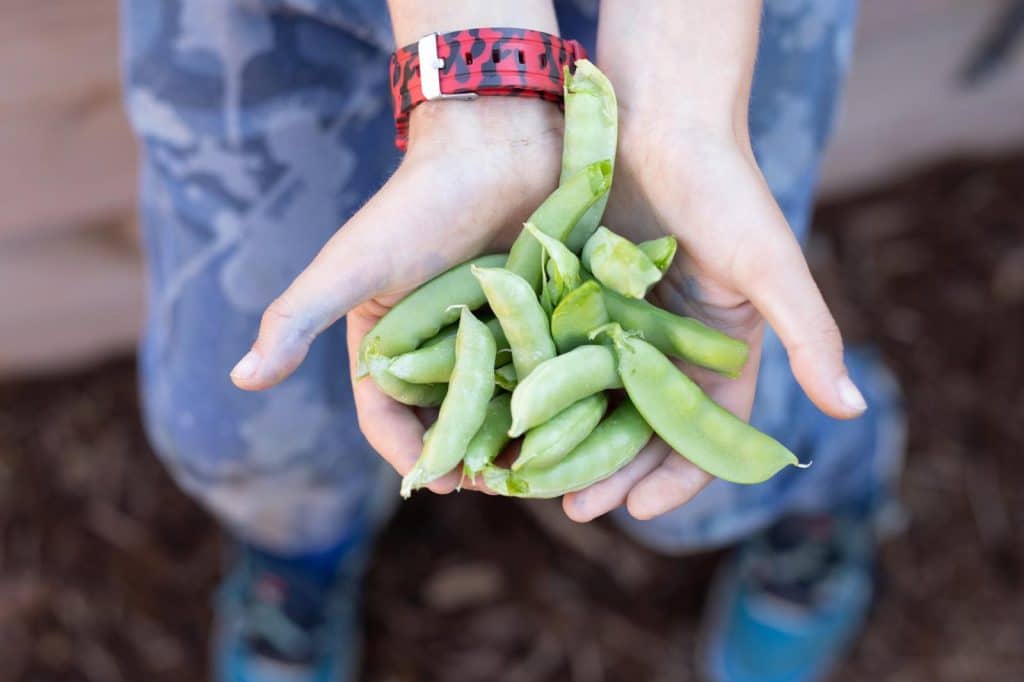
Reducing the use of plastic was a natural part of the Zero Waste Family‘s journey, but it was eight years ago that they decided to get serious about giving up completely.
Fredrika begins.
The hardest changes have been in children’s toys, school supplies, clothes, and arts and crafts, as they are often made with plastic and chemicals and are usually packaged in plastic; this mother also says that it is impossible to avoid plastic in vitamins and medicines.
Plastic pollution is a major problem, endangering wildlife and the environment, as most of it is never recycled and ends up in landfill.
For this reason, Fredrika firmly believes that we need to work on reducing our use of plastic.
Being Zero Waste is not just for parents.
It’s important to get children involved, and sometimes that’s not the easiest thing to do.
Fredrika, a mother of three, thinks it’s a good idea to make it a family activity.
So the best advice she can give is to learn together, as a family, by watching documentaries or reading books.
She also believes that a good way to get children more involved in a zero-waste life is to find original ways to reduce waste together.
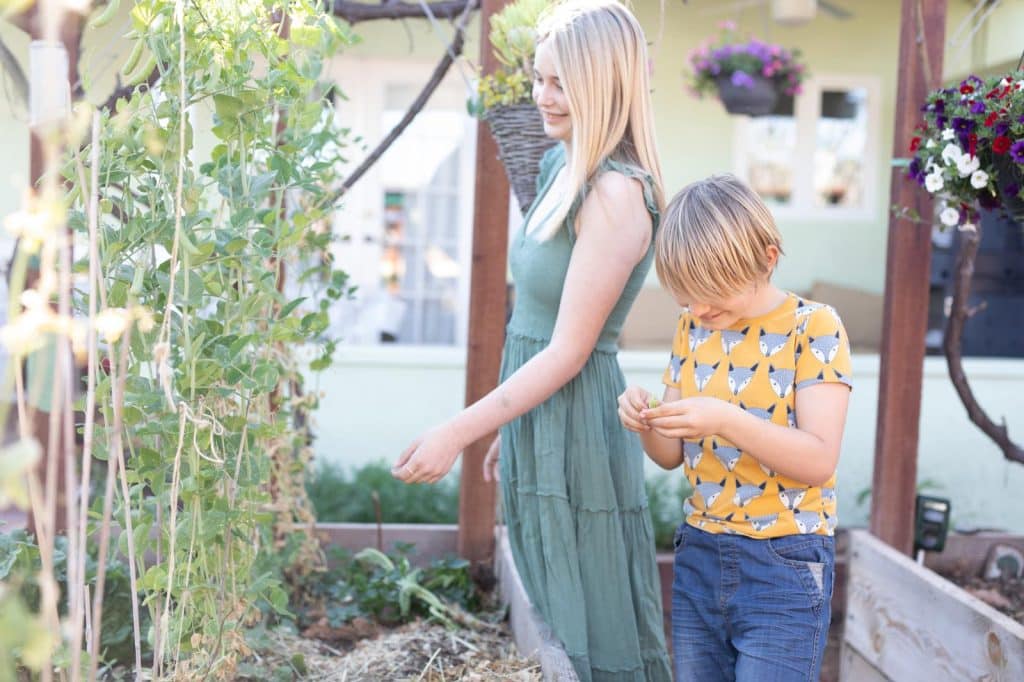
For Fredrika and the Zero Waste family, the most important rule of sustainable living is:
“If we cannot reuse, recycle or compost it, we refuse it.”
And this is what they try to teach the people around them.
The aim is to ” inspire people in our community, our school and our family to start reducing their own waste simply by inviting them into our lives and making sure we inspire by example without judgement “.
The problem with climate change is that it sometimes feels like our individual impact is almost nil, and Fredrika understands.
she begins, adding that
Fredrika believes that it is our actions as consumers that can make a difference.
If you are trying to make a difference to start reducing your carbon footprint, Fredrika has some advice for you:
She tells us that a good place to start is by doing a waste audit and trying to find a substitute for something in your rubbish.
SHARE:
…