Jane Goodall: The Woman Who Changed How We See the Wild
How a young woman with a notebook redefined science, hope, and humanity’s bond with nature
When you think of true pioneers, people who stepped into the unknown with nothing but curiosity and conviction, Jane Goodall’s name almost always rises to the top.
For over six decades, she has been the voice of the voiceless: the chimpanzees of Gombe, the forests that cradle life, and the urgent call for us humans to reconnect with the natural world before it’s too late.
But Jane Goodall’s story isn’t just about science or conservation, it’s about courage, compassion, and an unshakable belief that every individual can make a difference.
A Young Woman With a Notebook
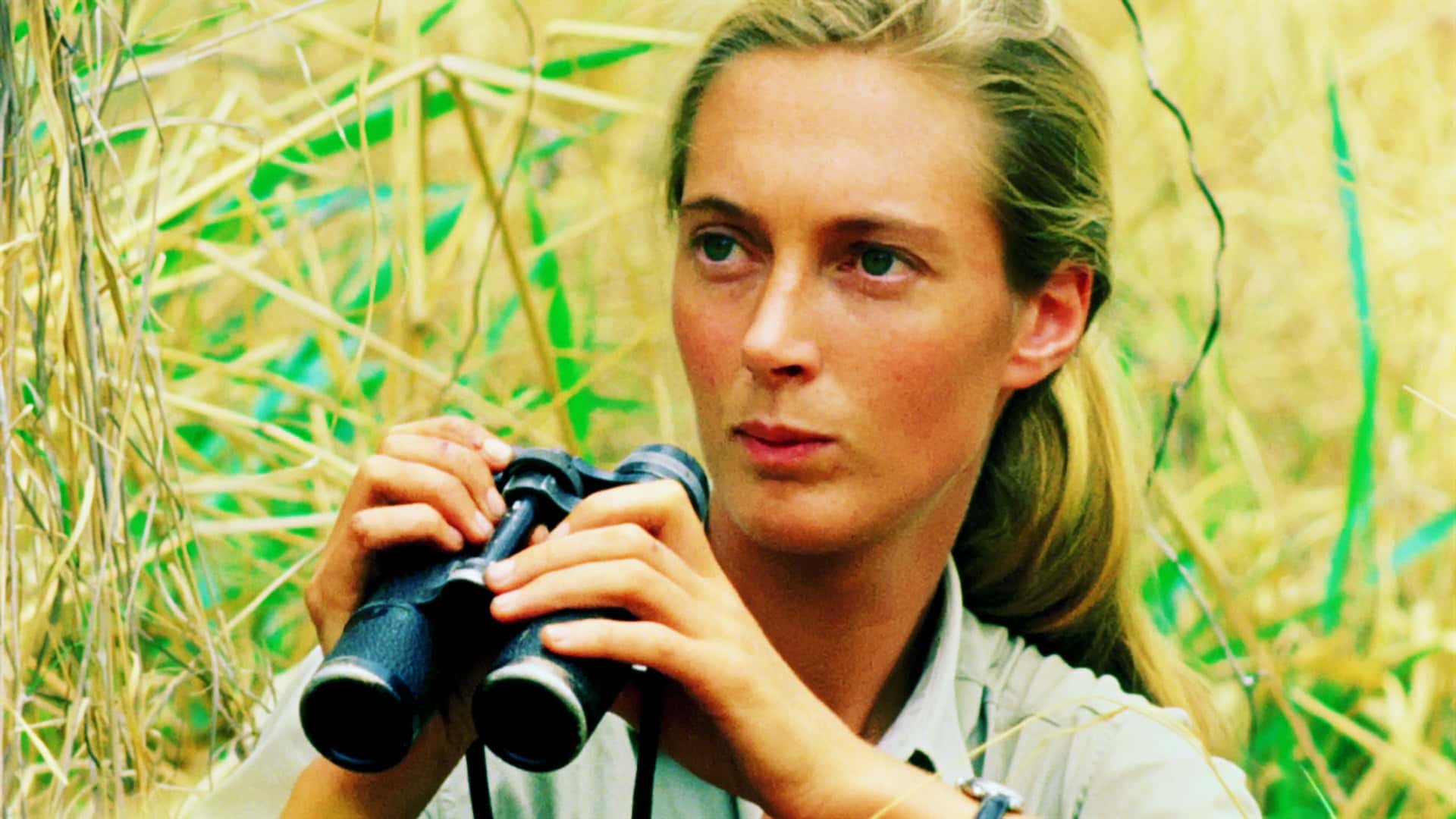
In 1960, Jane arrived in Tanzania with no formal degree in science, just a notebook, binoculars, and an unstoppable love for animals.
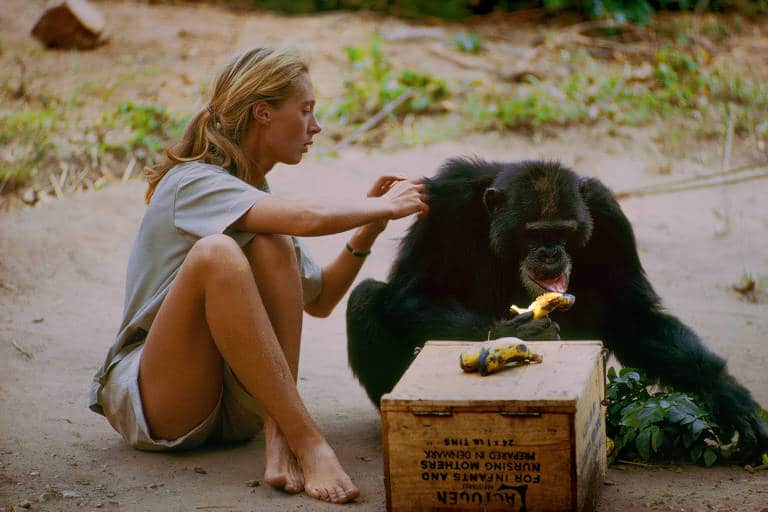
The world of academia didn’t quite know what to do with her, she wasn’t a trained scientist, and she insisted on giving names (not numbers) to the chimpanzees she studied.
But this decision, once criticized, became revolutionary.
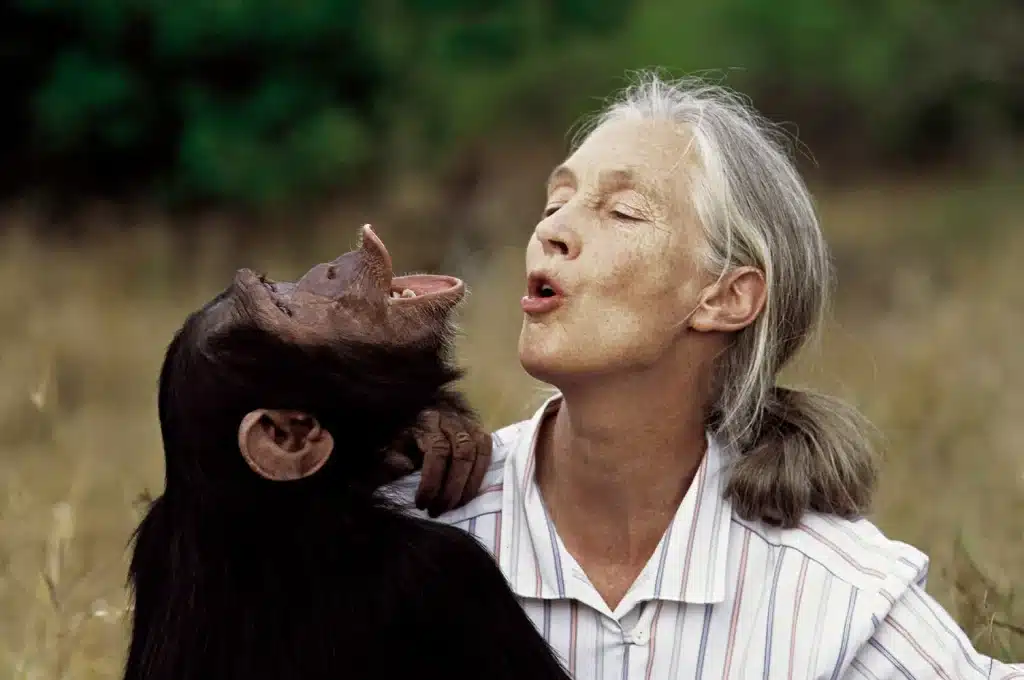
Through patience and empathy, Jane observed behaviors that shocked the scientific community: chimpanzees using tools, forming strong social bonds, grieving, and even showing aggression.
In those quiet forests, she didn’t just study chimps; she helped redefine what it means to be human.
From the Forest to the World Stage
Today, Jane Goodall is much more than a primatologist. She’s a global force for environmental action.
Through the Jane Goodall Institute and her youth program, Roots & Shoots, she has inspired millions of young people to become changemakers in their own communitiesproving thatconservation isn’t just about saving wildlife, but about reshaping how we live and connect.
Her message is always grounded in hope. Even as she speaks urgently about climate change, deforestation, and biodiversity loss, she never lets despair take the lead.
Instead, she reminds us that nature is resilient and so are we.
The Power of One
Perhaps Jane’s greatest lesson is deceptively simple: every single person makes an impact every single day.
Whether that impact is positive or negative is up to us.
She often tells audiences:
“You cannot get through a single day without having an impact on the world around you. What you do makes a difference, and you have to decide what kind of difference you want to make.”
It’s a call to action that strips away excuses.
You don’t need to be a scientist in Tanzania to create change, you can start with your plate, your purchases, your voice, your community.
Honoring Her Legacy & Continuing the Journey
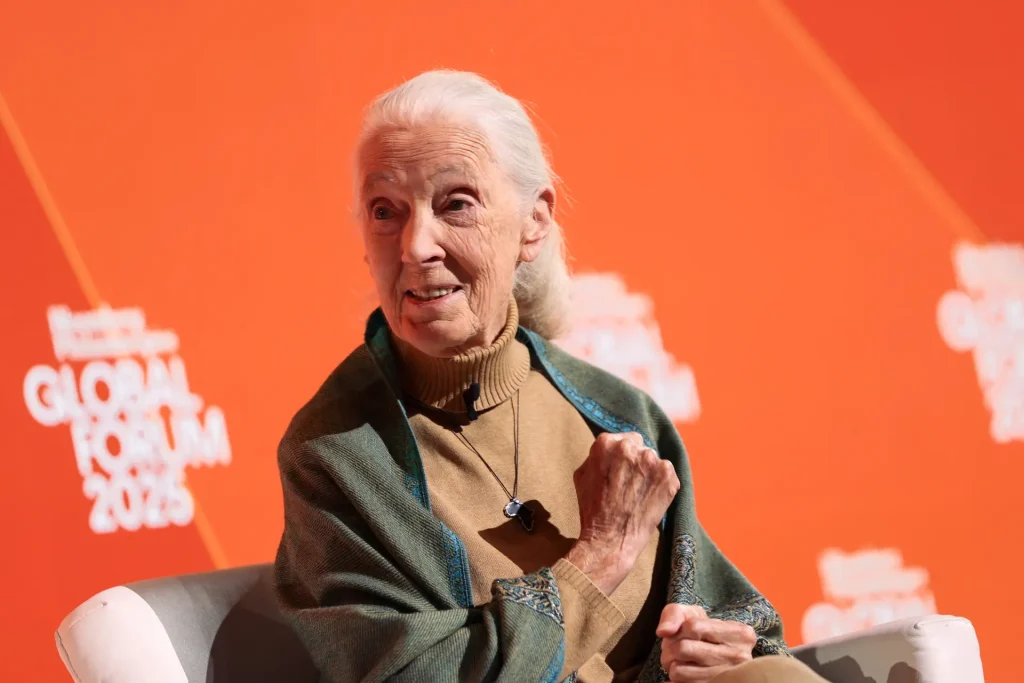
At nearly 91 years old, Jane Goodall still spent more than 300 days a year traveling, speaking, and inspiring.
Her stamina was remarkable, but what’s even more striking was her clarity: a deep, unwavering conviction that if we lose hope, we lose everything.
Jane Goodall has given us more than groundbreaking science. She’s given us a vision: a reminder that humanity and nature aren’t separate, but intertwined.
And if we nurture that bond with love and respect, we just might create a future where both can thrive.
Goodall’s contributions have been recognized globally: in 2025, she was awarded the U.S. Presidential Medal of Freedom, one of the nation’s highest civilian honors.
Her work has left an indelible mark on science, conservation, and environmental activism.
As we reflect on her life, we are reminded of the power of one individual’s dedication to making the world a better place.
While Jane Goodall may no longer be with us, her spirit lives on through the work of the Jane Goodall Institute, the Roots & Shoots program, and the countless individuals she inspired.
Her legacy serves as a beacon, guiding us toward a future where humans live in harmony with nature and all its creatures.
We use cookies to ensure that we give you the best experience on our website. If you continue to use this site we will assume that you are happy with it.